


Why recognising phonics progress matters
Phonics learning is cumulative. Each new sound, blend or spelling pattern builds on what has come before. When progress goes unnoticed, pupils - particularly those who find early reading challenging - can quickly lose confidence.
Recognising phonics progress:
- Reinforces effort and persistence
- Helps pupils feel successful
- Encourages risk‑taking with new sounds
- Supports long‑term reading confidence
Research and classroom practice consistently highlight the importance of positive feedback in phonics instruction, particularly when feedback is clear and immediate.
Small steps deserve recognition
In phonics, progress often looks like:
- Attempting to blend independently
- Remembering a tricky digraph
- Applying a sound correctly in writing
- Self‑correcting when reading
These moments may seem small, but they are foundational. Recognising them helps pupils understand that learning is a process and that effort matters as much as accuracy.
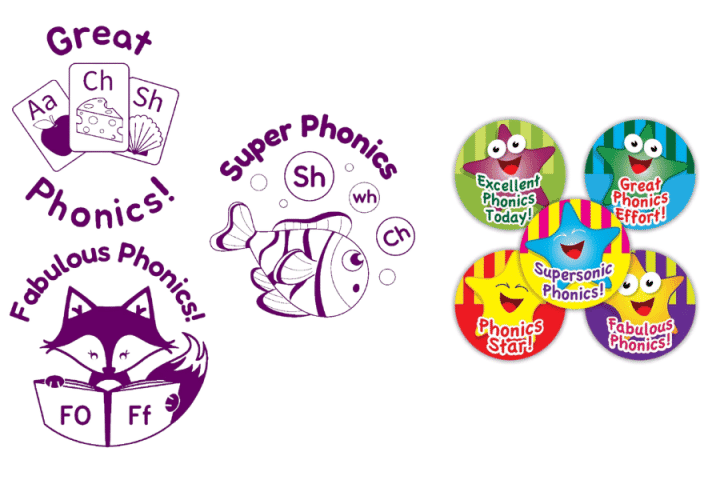
Using effort and praise stampers allows teachers to highlight these steps quickly and consistently, reinforcing positive learning behaviours without interrupting lessons.
The power of instant feedback in phonics sessions
Phonics lessons move quickly. Feedback needs to be immediate so pupils can make connections between what they have done and what they are learning.
Instant feedback:
- Reinforces correct application of sounds
- Prevents misconceptions from embedding
- Builds confidence through reassurance
- Keeps pupils engaged and focused
Simple tools such as teacher stampers and school reward stickers provide visible recognition at the point of learning, supporting both motivation and understanding.
Making phonics feedback visual and accessible
Young learners benefit greatly from visual feedback. Stickers and stamps provide clear signals that are easy to recognise, particularly for pupils who are still developing reading confidence.
Visual feedback:
- Reduces reliance on written comments
- Supports pupils with additional needs
- Helps pupils track their own progress
- Makes learning feel positive and achievable
Using assessment stickers - such as those indicating verbal feedback - helps reinforce learning without adding unnecessary marking.
Supporting confidence, not comparison
Phonics development varies widely between pupils. Rewarding progress rather than comparing attainment helps create a supportive learning environment.
Effective phonics recognition focuses on:
- Individual improvement
- Effort and engagement
- Willingness to try new sounds
- Resilience when learning feels difficult
Stickers and stampers support individual recognition, allowing every pupil to experience success at their own pace.
Reducing marking workload while maintaining impact
Phonics practice can generate a high volume of work, particularly in EYFS and KS1. Efficient feedback systems are essential.
Using stamps instead of repeated written comments:
- Saves time
- Keeps feedback consistent
- Supports Assessment for Learning
- Protects teacher wellbeing
Tools such as assessment stampers help teachers confirm learning, highlight next steps and reinforce key messages quickly.
Linking phonics progress to wider reading success
Phonics does not exist in isolation. Recognising progress in phonics supports broader reading development by helping pupils see the connection between sounds and meaning.
Positive reinforcement:
- Encourages pupils to apply phonics strategies independently
- Builds reading fluency over time
- Supports comprehension and confidence
- Strengthens motivation to read
When pupils feel successful in phonics, they are more likely to engage positively with reading across the curriculum.
Building consistent routines around phonics feedback
Consistency is key in phonics instruction. Using the same feedback tools and messages helps pupils understand expectations and respond more independently.
Effective routines might include:
- A stamp for correct blending
- A sticker for effort during phonics practice
- A verbal comment supported by visual feedback
These routines reduce cognitive load and help lessons flow smoothly.
Celebrating phonics progress over time
End‑of‑week or end‑of‑term recognition can help pupils reflect on how far they have come. Certificates or special stickers can mark milestones such as mastering a new phase or showing improved confidence.
When everyday feedback has been consistent, these celebrations feel meaningful rather than tokenistic.
Small actions, lasting impact
Phonics progress is built one sound at a time. By recognising these small steps, teachers help pupils develop confidence, resilience and a love of reading.
Using stickers and stampers to reward phonics progress allows teachers to:
- Provide instant, positive feedback
- Celebrate effort as well as accuracy
- Reduce marking workload
- Support inclusive, confidence‑building classrooms
At SuperStickers, we design teacher‑led feedback tools that help make phonics progress visible, motivating and meaningful - because small steps really do lead to big achievements.

